.jpg)

關於無聊力 On Boredom

你的閒暇時間,決定了你的商業成就
Your Achievements Depend on What You Do with Your Spare Time
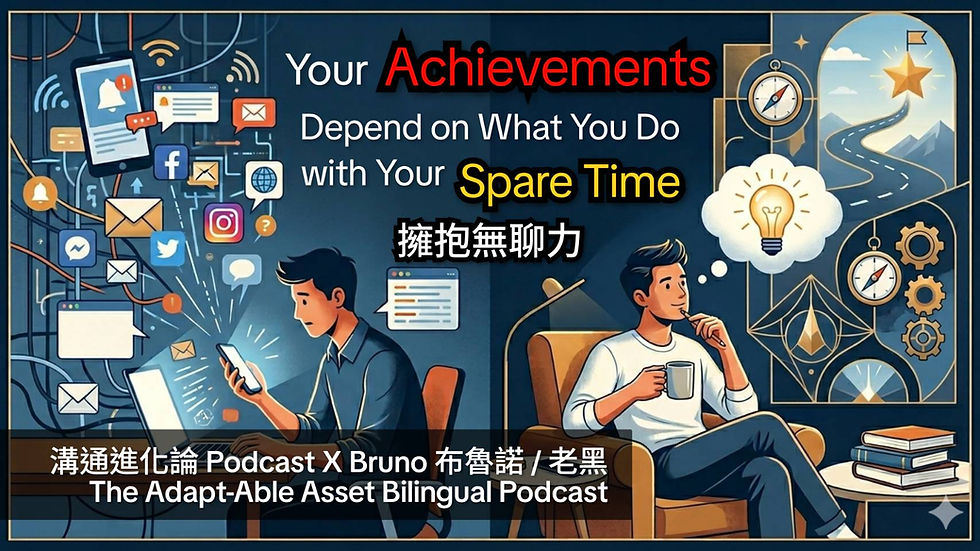
在當前這個被智慧型手機與演算法全面制約的時代,我們真的還有「閒暇時間」嗎?每當出現一分鐘的空檔,大多數人的直覺反應是:掏出手機、檢查訊息、無意識地滑動社群媒體。
在心理學上,這種對短暫空白的焦慮被稱為「無聊恐懼症」(Borediophobia)。我們看似用碎片化的資訊填滿了每一秒的閒暇,卻陷入了一個經營盲點:因為忙到沒時間,反而沒時間「好好經營事業」。
In an era completely dictated by smartphones and algorithms, do we actually have any "spare time" left? The moment a brief window of free time opens, our instinct is to pull out the phone, check notifications, and mindlessly scroll through social media.
In psychology, this anxiety towards brief moments of emptiness is known as "Borediophobia." We look as if we are maximizing every second of our spare time with fragmented information. Yet, we fall into a critical managerial blind spot: we are too busy filling the gaps to actually "properly run our business."
被數位雜訊偷走的「預設模式網路」
The Default Mode Network Stolen by Digital Noise
為什麼「消滅無聊」會阻礙成就?神經科學研究指出,當大腦處於漫無目的、看似無聊的放空狀態時,大腦的**「預設模式網路」(Default Mode Network, DMN)**才會全面啟動。
這個網路負責大腦的記憶整合、自我反思以及「跳躍性創意的連結」。換句話說,當你不再對大腦塞入新資訊時,它才能開始消化舊資訊,並在看似不相關的點子之間牽起線來。
當現代人利用閒暇時間去「滑手機」時,大腦其實還在瘋狂處理新訊息,DMN 根本無法運作。
這解釋了為什麼許多偉大的創業靈感或策略突破,往往不是在會議室裡緊繃時想到的,而是在散步、淋浴或純粹放空時靈光一現。你怎麼對待無聊,大腦就怎麼回饋你的成就。
Why does "eliminating boredom" hinder achievement? Neuroscience research indicates that when the brain is in a wandering, seemingly idle state, the Default Mode Network (DMN) is actually fully activated.
This network is responsible for memory consolidation, self-reflection, and "leaps of creative connection." In other words, only when you stop cramming new information into your brain can it begin to digest existing knowledge and connect the dots between unrelated ideas.
When modern leaders spend their spare time "scrolling on phones," the brain is still frantically processing incoming stimuli, preventing the DMN from kicking in.
This explains why history’s greatest entrepreneurial insights and strategic breakthroughs didn't happen during tense board meetings, but flashed during a walk, a shower, or a moment of pure idle time. How you treat your boredom dictates how your brain rewards you with achievements.
戰術上的勤奮,掩蓋了戰略上的懶惰
Tactical Diligence Masking Strategic Laziness
經營事業與個人成長同理。許多團隊與經理人瘋狂追逐當下的 KPI、頻繁開會、快速回應每一封郵件。這種「沒時間休息」的飽和狀態,給人一種我們非常努力的踏實感。
但這種戰術上的勤奮,往往是用來掩蓋戰略上的懶惰。
真正的戰略布局,需要極大的專注力與高度的系統性思考,而這恰恰需要「高質量的閒暇時間」來孕育。如果經理人的大腦被日常瑣事與短影音塞滿,就再也沒有餘裕去思考:「我們五年後的護城河在哪裡?」、「我們的核心價值是否偏離?」你把閒暇時間交給了演算法,你就等於把事業的未來交給了未知。
The same applies to business management and personal growth. Many teams and professionals frantically chase immediate KPIs, attend endless meetings, and instantly reply to every email. This saturated state of having "no time to rest" creates a comforting illusion of hard work.
Yet, this tactical diligence is often used to mask strategic laziness.
True strategic layout requires immense focus and high-level systemic thinking, which can only be nurtured through "high-quality spare time." If a leader’s brain is constantly cluttered with daily trivialities and short-form algorithmic videos, there will be no cognitive surplus left to ponder: "Where will our economic moat be in five years?" or "Has our core value deviated from its path?" When you surrender your spare time to the algorithm, you surrender your business's future to chance.
重新定義「高效閒暇」:開啟 C.H.A.T. 的智者留白
Redefining "Productive Leisure": Unlocking Your C.H.A.T. Buffer Time
面對「無聊恐懼症」,我們需要有意識地在行事曆上重新定義「閒暇時間」。真正的經營智者,明白如何平衡「行動」與「反思」。這正是我們推崇的 C.H.A.T. 精神:透過對世界的關懷(Care)與未來的希望(Hope),化為具體的留白行動(Action),並在沉澱中看見市場的真相(Truth)。
Here is how you can upgrade your spare time to drive meaningful achievements:
數位排毒,主動留白(Active Digital Detox):
每天安排 30 分鐘,不帶手機,只帶一本筆記本與一杯咖啡。允許自己坐在那裡「無所事事」,讓大腦自由聯想。
Dedicate 30 minutes every day to sit with just a notebook and a cup of coffee—no phone allowed. Let your mind wander freely.
拒絕瞎忙 (盲目忙碌),釋放空閒(Say No to Blind Busyness):
定期檢視工作清單,把那些「看起來很重要但對長期戰略無益」的事項果斷外包,為主動思考騰出時間。
Regularly audit your task list. Decisively outsource or streamline items that yield no long-term strategic value to free up thinking space.
與自己進行高質量的「對話」(Engage in Quality Inner Dialogue):
把無聊視為一種高級的邀請。利用這段閒暇,讓思緒與自己、與市場趨勢進行深度的互動與思辨。
Treat boredom as an executive invitation. Use this spare time to let your mind engage in deep interaction and debate with itself and market trends.
沒時間好好經營事業,往往是因為我們不敢讓自己「沒事做」。在這個被手機綁架的時代,敢於留白、敢於無聊的人,才擁有最強大的策略定力。 你的成就,不在於你有多忙碌,而在於你如何運用那些看似無聊的閒暇時間。
下一次,當你又有想滑手機的衝動時,不妨停下雙手,邀請無聊坐下,聽聽它能為你的事業帶來什麼樣的顛覆性瘋狂點子。
Being too busy to run a business properly often stems from our fear of having "nothing to do." In an era hijacked by smartphones, those who dare to embrace blank space and boredom are the ones who possess the ultimate strategic stamina. Your achievements are not measured by how busy you are, but by what you choose to do with those seemingly boring moments of spare time.
Next time you feel the urge to scroll, stay your hands. Invite boredom to sit with you, and listen to the revolutionary, brilliant ideas it might bring to your business.


留言